

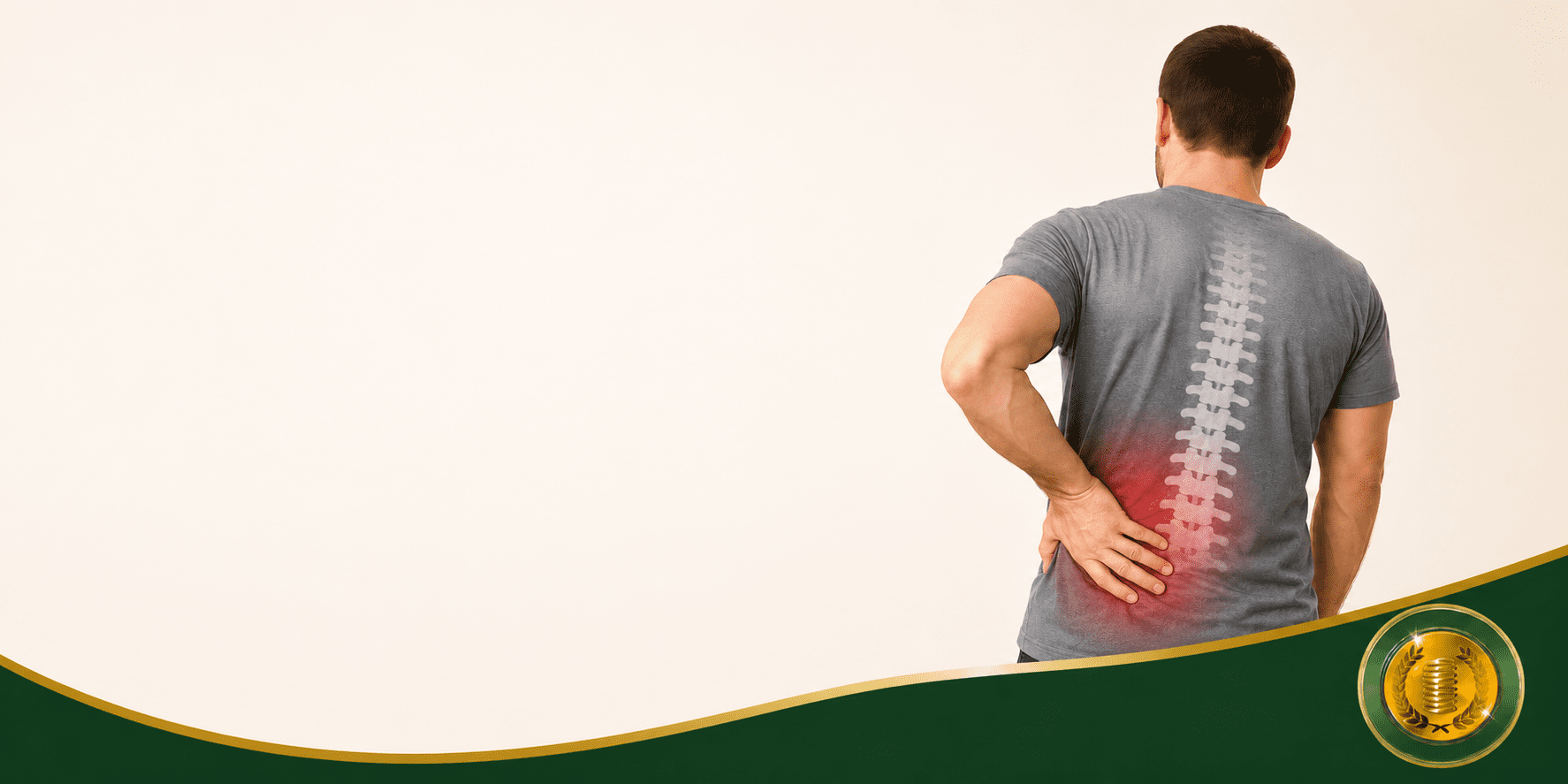
Back pain after surgery can be frustrating and discouraging, especially when you’ve been told the operation was successful. More than 500,000 spinal surgeries are performed each year in the United States. While many patients improve, others continue to experience persistent low back pain, leg pain, or disability even after technically successful surgery. This condition is often referred to as Failed Back Surgery Syndrome (FBSS). The good news is that surgery isn’t always the end of the story. New research suggests that improving spinal alignment and posture may help some patients regain function long after surgery.
What happens when back surgery is successful, but you’re still living with pain?
A recently published Chiropractic BioPhysics® (CBP®) case report explored that very question, following one patient’s remarkable six-year journey after spinal surgery failed to fully resolve his symptoms.
What Research Has Found Regarding Back Pain After Surgery
 Researchers followed a 27-year-old man who continued to experience severe low back pain after surgery on his spine. His first procedure involved implantation of a spinal device, but his symptoms actually became worse, eventually requiring a second surgery to remove the implant.
Even after both surgeries, he continued to struggle with:
- Chronic low back pain
- Pain radiating into the legs
- Significant disability
- Poor quality of life
Instead of focusing only on pain relief, his care shifted toward restoring the alignment and mechanics of his spine using Chiropractic BioPhysics® structural rehabilitation.
Treatment included:
- Postural rehabilitation
- Mirror Image® exercises
- CBP® spinal traction
- Chiropractic adjustments
- Home rehabilitation exercises
Over time, the patient’s spinal alignment improved, along with his pain and physical function. Perhaps the most remarkable finding? Researchers followed him for six years. Six years later, he continued to maintain meaningful improvements in pain, disability, posture, and overall quality of life.
Why This Matters
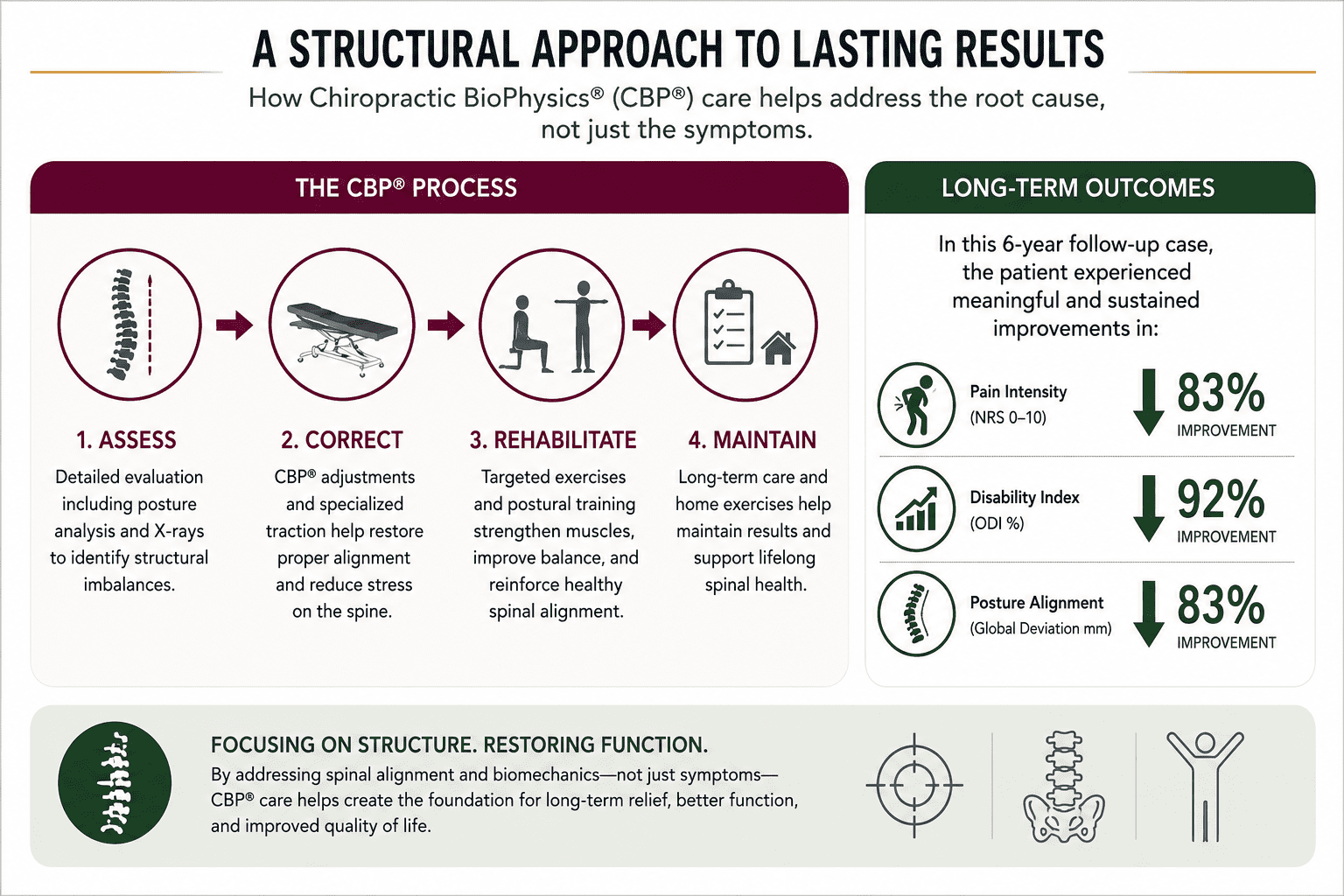
Most treatments for chronic back pain after surgery are designed to reduce symptoms. While symptom relief is important, lasting improvement often depends on addressing why excessive stress continues to build within the spine. If abnormal posture and spinal alignment remain unchanged, joints, discs, muscles, and nerves may continue to experience uneven loading even after surgery. Structural rehabilitation asks a different question: Why is your spine continuing to experience abnormal stress in the first place?
When spinal alignment remains abnormal after surgery, the joints, discs, muscles, and nervous system may continue to experience uneven loading. For some patients, improving spinal structure may reduce those mechanical stresses and improve long-term function and not just the symptoms.
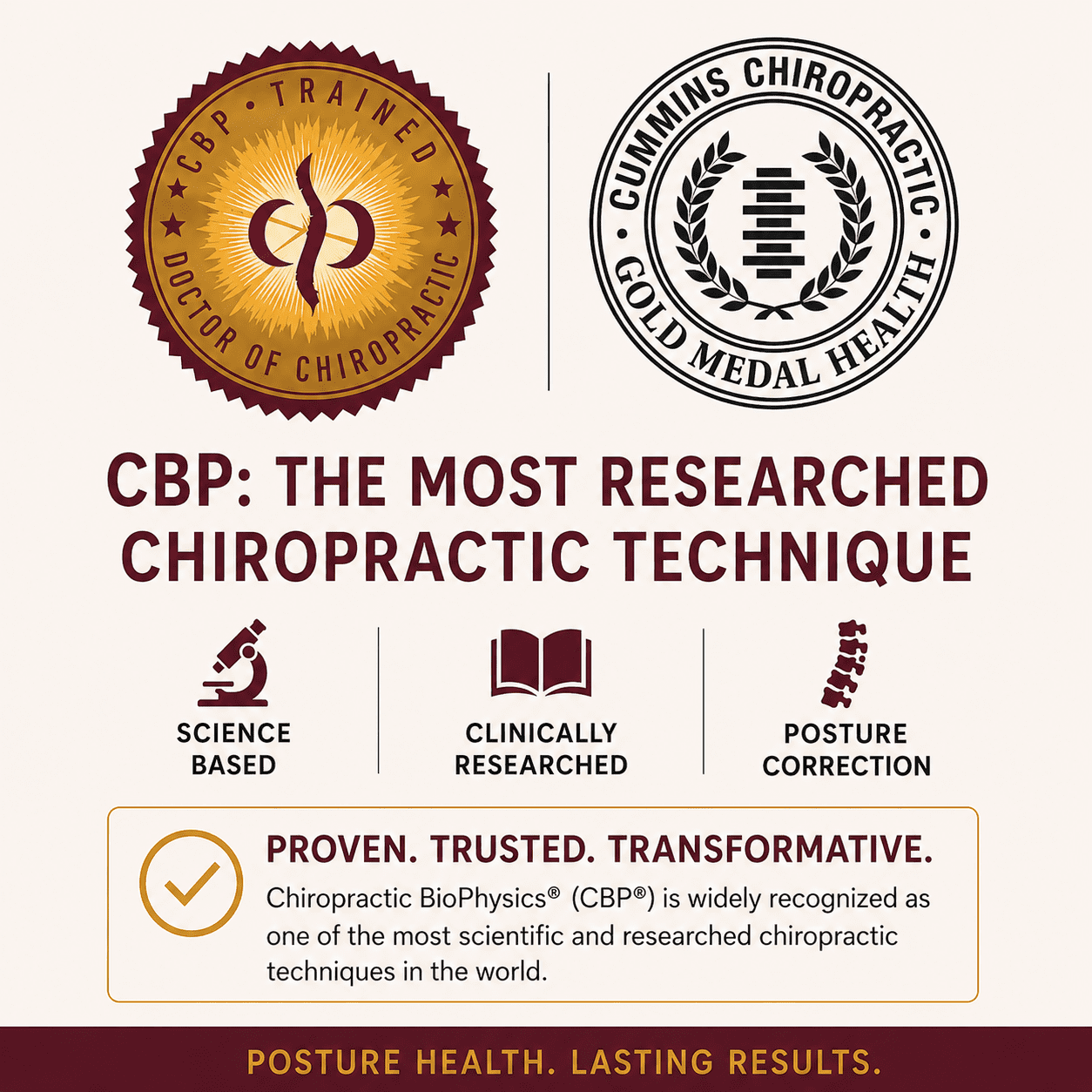
Chiropractic BioPhysics® (CBP®) is a comprehensive structural rehabilitation protocol and one of the most extensively researched chiropractic techniques in the world, and is designed to address the structure of the spine, not just the symptoms it produces. Unlike traditional chiropractic care, which often focuses on improving pain and mobility, CBP combines principles from biomechanics, physics, engineering, and spinal rehabilitation to help restore more normal spinal alignment and posture. This structural approach is what made the six-year outcome in this published case report particularly noteworthy.
What This Means for Patients Who Have Back Pain After Surgery
This research does not mean chiropractic can replace spinal surgery. Nor does it suggest everyone with failed back surgery will experience the same outcome. This is a single published case report, meaning it demonstrates what was possible for one patient rather than proving that every patient will respond similarly. However, it highlights an important point: Surgery and structural rehabilitation don’t have to be mutually exclusive. For some patients, addressing posture and spinal alignment after surgery may provide an additional opportunity to improve function and quality of life.
How We Apply These Principles at Cummins Chiropractic
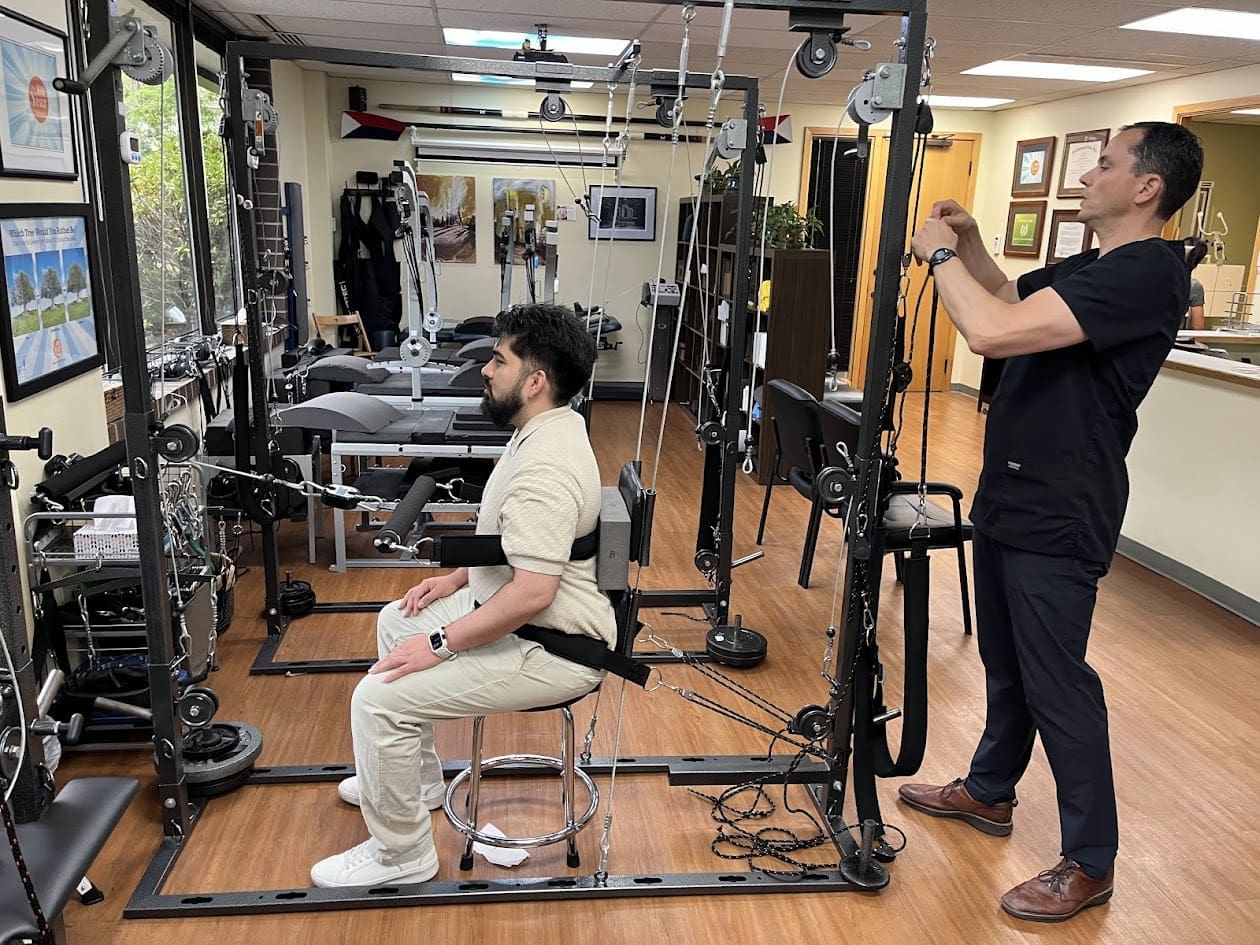 At Cummins Chiropractic in Bellevue, we use Chiropractic BioPhysics® because our goal extends beyond temporary pain relief. We have an extensive set up of traction equipment to help even extremely tricky post surgical spine cases. Our comprehensive Foundations of Posture Protocol combines Chiropractic BioPhysics®, spinal traction, rehabilitation exercises, chiropractic adjustments, and other therapies into a personalized plan designed to improve spinal structure and long-term function.
We first evaluate:
- Overall spinal posture
- Forward head posture
- Spinal curves
- Pelvic alignment
- Standing balance
- X-ray findings when clinically appropriate
Then we develop an individualized program that may include:
- CBP® Mirror Image® exercises
- Structural spinal traction
- Chiropractic adjustments
- Laser therapy
- Spinal decompression when indicated
- Home rehabilitation
Our goal is to improve the structure supporting your nervous system so your body has the best opportunity to heal and function over the long term.
Who May Benefit?
You may be a candidate for a structural evaluation if:
✔ You still have back pain after surgery (even if it has been months or years)
✔ You’ve been told “everything looks fine,” but you still hurt
✔ Pain continues into your buttock or leg
✔ Walking or standing remains difficult
✔ Physical therapy helped temporarily
✔ You want to avoid another surgery if possible
Why Choose Cummins Chiropractic?
Unlike many chiropractic offices, we combine:
✓ Chiropractic BioPhysics® (CBP®)
✓ Multiple spinal traction systems
✓ Digital posture analysis
✓ Digital X-rays when appropriate
✓ Mirror Image® rehabilitation
✓ Spinal decompression
✓ Class IV laser therapy
✓ Customized home exercise programs
Our goal isn’t simply to help you feel better today—we want to improve how your spine functions for years to come.
The Bottom Line
If you’ve been told:
“Your surgery was successful, but you’ll probably always have pain.”
“You’ll just have to manage it.”
“Nothing more can be done.”
There may still be conservative options worth exploring.
Every patient is different, but restoring spinal alignment may be an important piece of the puzzle that was never addressed.
If you’re still dealing with persistent back pain after surgery, we’d be happy to evaluate whether structural rehabilitation may be appropriate for your situation. Schedule your complimentary consultation to discuss your health concerns with Dr. Cummins in South Bellevue today.
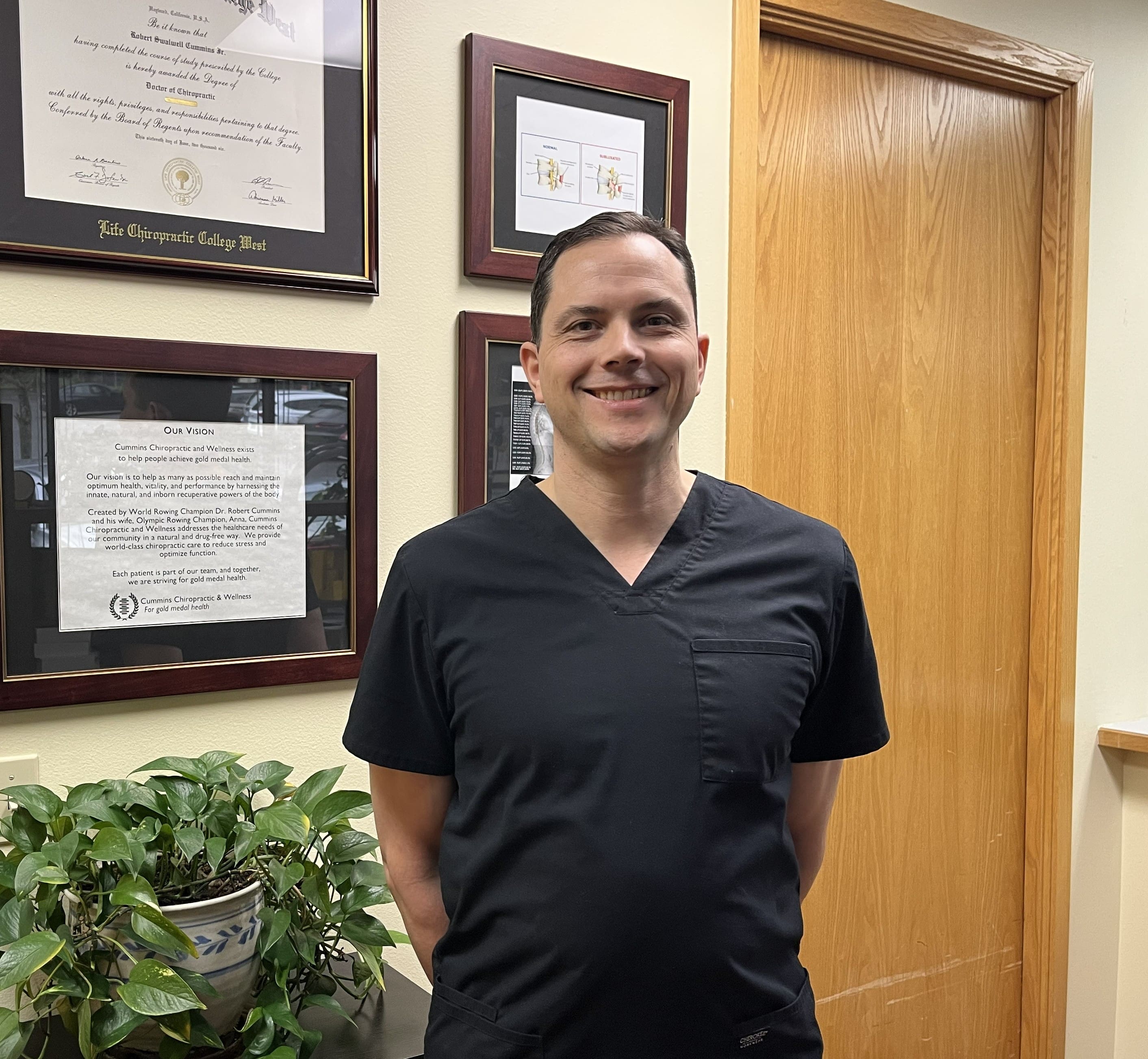
“Successful surgery doesn’t always restore normal spinal mechanics. Our goal is to evaluate whether improving posture and spinal alignment can reduce abnormal stress on the spine and help patients function better over time.” Dr. Robert Cummins
Related Reading
If you’re researching chronic back pain after surgery or have been told surgery is your only option, these articles may also help:
- Chiropractic BioPhysics (CBP®)
- Lower Back Pain Treatment
- Spinal Traction Therapy
- Chiropractic Care for Chronic Pain
- What Is the Foundations of Posture Protocol?
Read the Original Research
Research Summary
Study type: Published case report with 6-year follow-up
What it shows: A patient with persistent back pain after surgery experienced substantial improvements in pain, disability, spinal alignment, and quality of life following Chiropractic BioPhysics® structural rehabilitation, with improvements maintained at six years.
Read the original CBP® article here: Fortner MO, Woodham TJ, Haas JW, Oakley PA, Harrison DE. “Failed back surgery syndrome successfully ameliorated with Chiropractic Biophysics® structural rehabilitation improving pain, disability as well as sagittal and coronal balance: a Chiropractic Biophysics® case report with a 6 year follow-up.” J. Phys. Ther. Sci. 36: 44–50, 2024. https://pubmed.ncbi.nlm.nih.gov/38186967/
At Cummins Chiropractic, we regularly evaluate patients who have undergone spinal surgery and continue to experience pain, stiffness, or postural changes. Every patient is carefully examined, and treatment recommendations are individualized based on their surgical history, imaging, and current spinal mechanics.